Homeownership brings a unique set of rewards and challenges, with plumbing issues often ranking high on the list of household headaches. An unexpected leak or a clogged drain can disrupt daily life, resulting in costly repairs if not addressed promptly. Understanding how to create an effective emergency response plan for common plumbing problems is critical. This preparation not only saves time but also minimizes damage to your property and reduces repair costs.
The Importance of Preparedness
Plumbing emergencies can occur without warning. A burst pipe in the middle of the night or a backed-up sewer during a holiday gathering can lead to chaos. Being prepared means having a solid understanding of potential issues and knowing the right steps to take when they arise. Effective planning requires you to familiarize yourself with your home’s plumbing system, know where key components are located, and understand how to manage them.
Identifying Common Plumbing Emergencies
Common plumbing emergencies vary widely in severity and potential impact on your home. Here are some examples:
Leaking Pipes: Whether it is a small drip or a major rupture, leaks can lead to water damage and mold growth if not addressed quickly. Clogged Drains: A blocked sink or bathtub can disrupt daily routines and may indicate more significant sewer line issues. Sewer Backups: Overflowing toilets or foul odors emanating from drains often signal serious problems within your sewer system. Water Heater Failures: A malfunctioning water heater can leave you without hot water when you need it most. Frozen Pipes: In colder climates, pipes that freeze can burst, leading to severe water damage once they thaw.Immediate Actions for Each Scenario
When faced with a plumbing emergency, your initial response can significantly affect the outcome. Here’s how to handle some common situations effectively.
Leaking Pipes
First, locate the main shut-off valve in your home and turn off the water supply immediately. This action will help prevent further damage until you can assess the situation or call in a licensed plumber for repair. If it’s safe to do so, try to contain any leaking water using towels or buckets.
Clogged Drains
For minor clogs, begin by using a plunger or drain snake; these tools are often effective for removing blockages without cost of pipe lining professional assistance. If these methods fail, avoid using chemical drain cleaners as they may cause further damage to pipes. Instead, contact an emergency plumber who specializes in drain cleaning for professional help.
Sewer Backups
In case of sewage backup, prioritize safety above all else. Stop using all fixtures immediately and avoid flushing toilets or running water until a professional arrives. Sewage contains harmful bacteria that pose health risks; therefore, protecting yourself from exposure is crucial.
Water Heater Failures
If your water heater stops working unexpectedly, check for leaks around the unit and ensure it is plugged in properly if it's electric. For gas heaters, verify that the pilot light is lit; if it isn’t, follow manufacturer instructions for relighting it safely. If these steps do not resolve the issue, you should consult with a certified technician specializing in water heater repair.
Frozen Pipes
To mitigate freezing pipes during cold weather conditions, ensure that all exposed pipes are insulated adequately before winter sets in. If you suspect that pipes have frozen already, open faucets connected to those pipes; this allows pressure relief as they begin thawing—never use direct heat like a blow dryer on frozen pipes as this could lead to bursting.
Creating Your Emergency Response Kit
An emergency response kit tailored specifically for plumbing issues can save precious time when trouble strikes. Consider including the following items:
- Plumber's Tape: Useful for temporarily sealing small leaks. Wrenches: Adjustable wrenches allow quick adjustments when dealing with pipe fittings. Plunger and Drain Snake: Essential tools for tackling minor clogs before calling professionals. Buckets: Handy for containing leaks while waiting for repair services. Flashlight: Helpful during power outages or when inspecting dark spaces under sinks.
Having these supplies readily available empowers homeowners to respond swiftly during emergencies.
When To Call A Professional
While some plumbing problems might be manageable with basic tools and knowledge, many situations require the expertise of a licensed plumber—especially those involving extensive repairs like pipe replacement or sewer line cleaning. Recognizing when it's time to reach out for professional help is vital.
For instance:
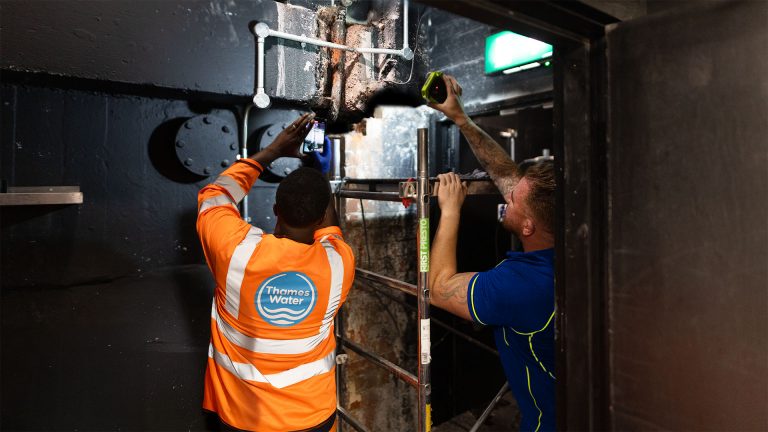
- If there is significant flooding or persistent leaks despite temporary fixes. When you encounter recurring clogs that cannot be resolved through DIY methods. In cases of sewage backups that need immediate attention due to health concerns. Any time you feel uncertain about handling an issue safely.
Emergency plumbers are trained to resolve complex situations efficiently while minimizing further damage.
Regular Maintenance as Prevention
Prevention is always better than cure—implementing regular maintenance practices can reduce the likelihood of encountering plumbing emergencies altogether:
Schedule annual inspections with a qualified plumber who can identify potential problems before they escalate. Clear drains regularly using safe methods such as baking soda and vinegar solutions instead of harsh chemicals that may corrode pipes over time. Insulate exposed pipes before winter months arrive—this simple task helps prevent freezing and bursting risks associated with cold weather conditions. Maintain your water heater by flushing sediment buildup periodically—a well-maintained heater operates more efficiently and lasts longer. Keep an eye on toilet performance; persistent running could indicate worn flapper valves needing replacement.
These proactive measures demonstrate commitment towards maintaining both safety standards within one's home environment alongside effective budgeting strategies regarding future repairs.
Documenting Important Information
As part of your emergency response strategy:
- Create an inventory listing all essential contact numbers including local plumbers offering 24/7 service options along with their specialties (e.g., rooter services). Document equipment details such as warranties related specifically back through installation dates—it pays dividends down-the-line should replacements become necessary later on!
Conclusion
Preparedness equips homeowners against unexpected plumbing crises while diminishing potential damages incurred from negligence over time! By implementing preventive measures alongside cultivating awareness surrounding common emergencies—such efforts yield peace-of-mind knowing you're equipped should disaster strike! Remember—the best way forward lies rooted firmly within proactive planning coupled together seamlessly integrating expert assistance whenever required!